
BLOG: Energy security, flexibility and the role of the FSRUs
27 August 2026
By George Mermiris, Director and General Manager
How can governments and energy providers strengthen energy security without sacrificing the flexibility needed to respond to an uncertain future?
Floating storage and regasification units (FSRUs) are becoming an increasingly important part of that discussion.
Energy security remains a vital concern for modern societies. It underpins economic stability and supports the ongoing shift towards a lower-carbon future. Ensuring a reliable, affordable and sustainable supply of energy is fundamental to prosperity and development. Yet, in today’s interconnected and geopolitically complex world, achieving and maintaining this balance is becoming ever more challenging.
The war in Ukraine, the conflict in the Middle East and the still vivid memory of COVID-19 have exposed the fragility of international energy supply chains. These events have highlighted the need for resilient energy strategies capable of responding to disruption. It is no longer a question of whether the next challenge will arise, but when. Regional conflicts, pandemics and extreme environmental phenomena are increasingly recognised as risks that must be considered when planning for long-term energy security.
However, the discussion has evolved beyond security of supply alone. Those responsible for energy strategy and delivery are now under pressure to strengthen energy security while retaining the flexibility to adapt to changing markets, evolving regulations and long-term decarbonisation objectives. In an environment shaped by uncertainty, flexibility has become as important as security.
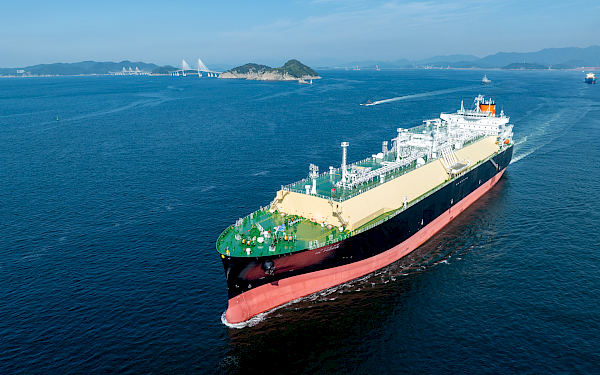
This is where FSRUs have emerged as one viable option. They offer rapid and flexible LNG import capabilities, avoiding the lengthy development programmes and significant capital investment often associated with conventional onshore terminals. Their ability to be deployed quickly, or redeployed to alternative locations, provides valuable optionality for energy stakeholders seeking to balance immediate requirements with long-term strategic objectives.
Across Europe, Asia and emerging energy markets, FSRUs have demonstrated their value not only in strengthening energy security, but also in supporting more adaptable infrastructure strategies. As governments seek solutions that reduce the risk of long-term asset lock-in while maintaining reliable access to global energy markets, floating infrastructure is becoming an increasingly attractive option.
Meeting these challenges requires more than access to assets. Successful FSRU projects depend on robust engineering, careful planning and the ability to balance technical, commercial and regulatory requirements throughout the project lifecycle. Tritec Marine supports clients by bridging the gap between market demand and bespoke LNG marine infrastructure, providing expertise across the engineering, conversion and construction phases of FSRU development. Our experience helps clients develop solutions that are not only technically sound, but also adaptable to the evolving needs of the energy sector.
As the focus shifts towards energy systems that are resilient, flexible and future-ready, Tritec Marine remains committed to delivering innovative and compliant solutions that support safe, reliable and sustainable energy supply.
Reach out to us via the Tritec Marine website or meet us at Gastech 2026 in Bangkok, Stand O60, where we will be exhibiting alongside our parent company, Northern Marine Group.
ENDS